

How Does HVAC Work? Understanding HVAC Systems, Components, and How They All Work Together
Your home's heating, ventilation, and air conditioning (HVAC) system might be one of its largest components, but unless something goes wrong, you probably give very little thought to how it actually works. However, understanding how HVAC systems work helps troubleshoot potential problems and become more informed homeowners.
So, how does an HVAC system
work? Let's look at each component separately to build a clearer understanding
of the full system and its parts.
Heating
The heating aspect
of your home's HVAC system is carried out by your furnace.
Depending on the style of heat distribution in your home, you may either have
electric baseboards, a gas forced air furnace, or a radiant heat system (also
known as a boiler) installed. For our purposes, we'll focus on gas-powered
forced air systems, as they are the most popular system installed in homes
today.
All central heating systems consist of a burner, a heat exchanger, a blower, and a flue. The burner is
what engages when the thermostat calls for heat, and it delivers the fuel to
your heat exchanger to begin the heating process. The heat exchanger intakes air
and turns the fuel and air mixture into heat that will ultimately be sent
through your home's ductwork. The heated air is then transferred to the air
distribution system. The blower is part of this distribution system, and is
what ultimately moves the heated air through your ductwork and into the various
rooms of your home. We'll discuss the flue in the next section, as it's a
significant part of the ventilation aspect of the HVAC system.
A boiler-based or
hydronic heating system works in a similar manner as a gas-powered forced air
system, heating water within the boiler for distribution via piping to
radiators located in the various rooms of a house, which then give off heat.
Electric baseboards or registers contain a heating element that heats up when
the thermostat calls for heat. Some have a blower to help distribute the heat,
but some simply give off radiant heating.
Key Components of a Gas Forced Air Heating System
· Burner: Ignites when
the thermostat calls for heat, delivering fuel to start the combustion process.
· Heat exchanger:
Transfers heat from the combustion process to the air supply without allowing
combustion gases to mix with breathable air. A cracked heat exchanger is a
serious safety concern.
· Blower motor: Moves
conditioned air through the ductwork and into the rooms of your home. Also
circulates air through the system during cooling cycles.
· Flue/exhaust vent:
Carries combustion byproducts that includes carbon monoxide safely out of the
home.
· Air filter: Captures
dust, allergens, and debris before air enters the heat exchanger and circulates
through the home. Requires regular replacement to maintain efficiency and air
quality.
· Thermostat: Monitors
room temperature and signals the furnace to start or stop a heating cycle.
Ventilation
The
ventilation aspect of
your home's HVAC system is comprised of the flue and vent pipes. It might also
involve a fresh air intake pipe or vent. The fresh air intake helps to bring
the heated air to the correct temperature before it is distributed throughout
the house. The flue and vent pipe are responsible for keeping the air in your
home safe to breathe. It works by exhausting harmful byproducts of the
combustion process, such as carbon monoxide and other noxious fumes, outside
the building. The flue will open and close accordingly in order to ensure there
is no backup of dangerous exhaust into your home.
Key Components of Your Home's Ventilation System
· Flue pipe: The main
exhaust channel for combustion gases. In gas-fired furnaces and boilers, the
flue must remain unobstructed at all times to prevent dangerous backdrafting of
carbon monoxide into the living space.
· Exhaust vent
termination: The exterior point where the flue pipe exits the home. Should be
checked seasonally for blockages from debris, bird nesting, or ice buildup (particularly
for high-efficiency furnaces with plastic PVC venting).
· Fresh air intake: Some
systems draw outside air directly into the combustion chamber or heat exchanger
to improve efficiency and maintain proper air pressure inside the home. Sealing
a home too tightly without accounting for combustion air needs can create draft
and efficiency problems.
· Return air vents:
Grilles located throughout the home that draw indoor air back into the HVAC
system for reconditioning. Blocked or undersized return vents reduce airflow
and strain the blower motor.
· Supply registers: The
outlets through which conditioned air enters each room. Register placement and
size are part of the original duct design and affect how evenly a home heats
and cools.
Air Conditioning
Central air
conditioning systems have become a must-have for year-round comfort, and are
frequently installed in conjunction with a central heating system. The two must
work together for optimal temperature control, and even share the same
ductwork. Most central air conditioners are two-part or split systems.
Key Components of a Central Air Conditioning System
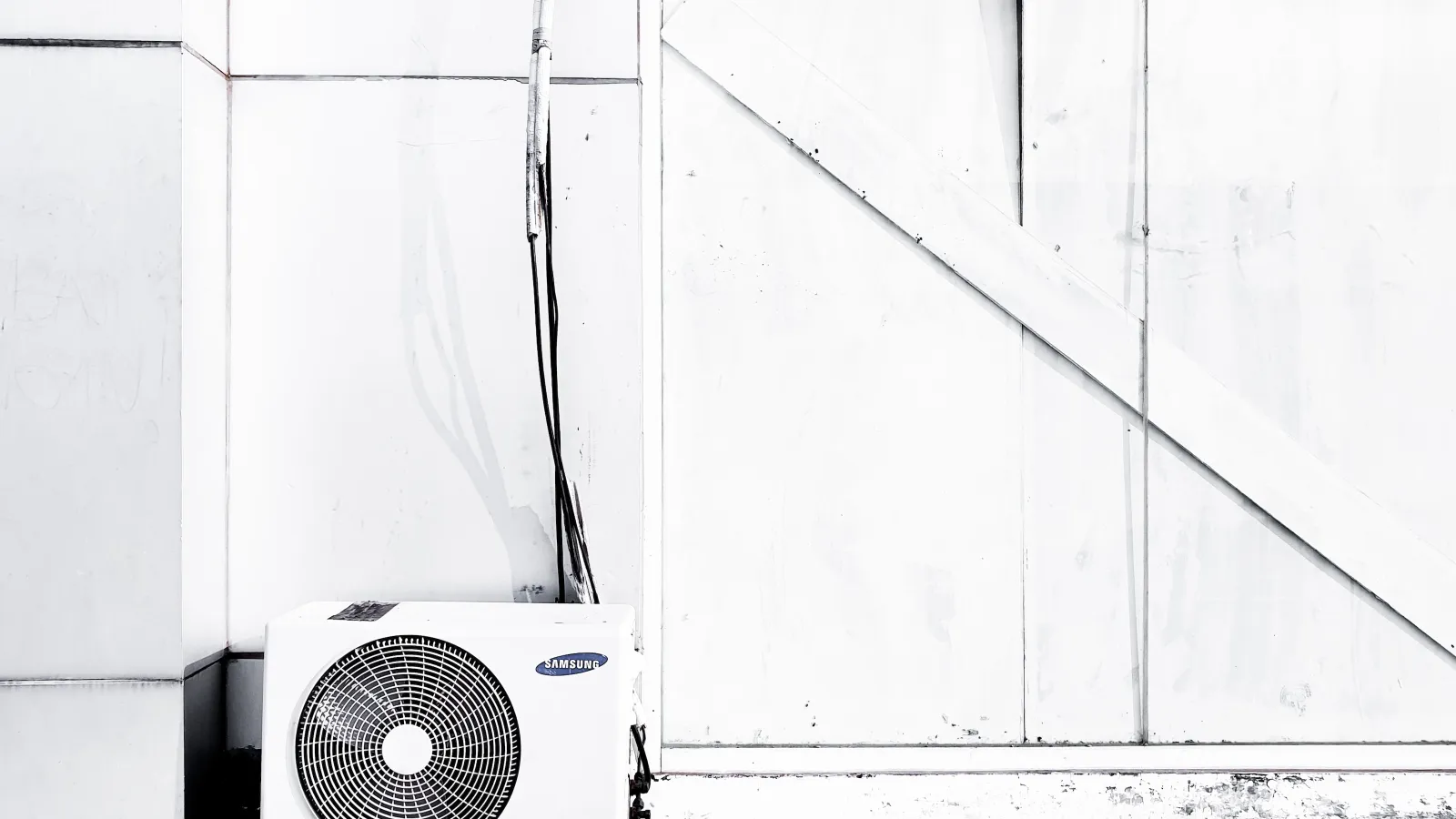
· Outdoor condensing
unit: Houses the compressor, condenser coil, condenser fan, and electrical
controls. This is the large metal cabinet outside your home. The compressor
pressurizes the refrigerant, the condenser coil releases heat extracted from
inside the home, and the fan exhausts that heat into the outdoor air.
· Evaporator coil:
Typically installed on top of the furnace or air handler inside the home. As
warm indoor air passes over the cold coil, the refrigerant inside absorbs the
heat, cooling the air before it returns to the living space. The evaporator
coil also dehumidifies the air in this process, which is why air conditioning
is an effective comfort tool in humid climates like Georgia's.
· Refrigerant lines:
Insulated copper tubing that circulates refrigerant between the indoor
evaporator coil and the outdoor condensing unit. There are two lines -- the
suction line (larger, insulated) carries refrigerant vapor back to the
compressor, and the liquid line (smaller) carries high-pressure liquid
refrigerant to the evaporator. If refrigerant lines are damaged or the
connections develop leaks, system performance drops and professional repair is
required.
· Refrigerant: The
chemical compound that cycles continuously between the indoor and outdoor
components, absorbing heat indoors and releasing it outside. Modern systems use
R-410A or the newer R-454B refrigerant. Refrigerant is not consumed during
normal operation -- if your system is low on refrigerant, it indicates a leak
that requires professional diagnosis and repair. Handling refrigerant requires
EPA certification.
· Ductwork: The network
of insulated metal or flexible channels that delivers conditioned air from the
air handler to each room and returns indoor air back to the system for
reconditioning. Well-sealed, properly insulated ductwork is critical to AC
efficiency -- leaky ducts can waste up to 30% of conditioned air before it
reaches the living space.
· Thermostat: The control
interface that monitors room temperature and signals the AC system to run or
stop a cooling cycle. Modern smart and programmable thermostats can
significantly reduce cooling costs by adjusting setpoints automatically during
unoccupied hours -- a meaningful consideration during Georgia's six-month
cooling season.
These components work
together to provide your home with cool air when the thermostat indicates. When
engaged, the air conditioner pulls warm air from the home into the ductwork. At
the same time, the refrigerant circulates between the indoor and outdoor
components. It absorbs the heat from the air as it passes into the interior
evaporator coil from the exterior compressor coil. The cooled air then travels
back through the ductwork and is distributed to the various rooms of your home.
The cycle continues in order to maintain the desired temperature.
Key HVAC Components Every Homeowner Should Know
Understanding
HVAC systems means knowing not just the main equipment (i.e., the furnace, air
conditioner, and ductwork) but also the supporting components that allow the
system to operate safely, efficiently, and comfortably. Many of the HVAC
components listed below are present in every home regardless of system type,
while others are optional upgrades that improve air quality or comfort. Knowing
what each one does helps you recognize early warning signs of trouble,
communicate more clearly with a technician, and make informed decisions when it
comes time to repair or replace.
·
Ductwork: The network of metal or flexible
channels that distributes conditioned air from the HVAC system to every room in
the home and returns air back to the unit for reconditioning.
·
Humidifier: Integrated whole home humidifiers attach
directly to the HVAC system and introduce controlled moisture into the air
stream before it distributes through the home.
·
Thermostat: The control interface for your entire
HVAC system that monitors ambient room temperature and sends signals to the
furnace, air conditioner, or heat pump to begin or end a conditioning cycle. Modern
programmable and smart thermostats allow homeowners to set temperature
schedules that reduce energy use during unoccupied hours.
·
Filters: One of the most important and most
frequently neglected HVAC components, air filters remove dust, pollen, pet
dander, and other airborne particulates before they circulate through your
home's ductwork. Most systems require filter replacement every one to three
months, depending on filter type, household conditions, and usage. Checking your
filter monthly is the single most effective DIY maintenance step available to
any homeowner.
·
Refrigerant:
The chemical compound that circulates between the indoor evaporator coil and
outdoor condenser coil in an air conditioning or heat pump system. It absorbs
heat from indoor air as it evaporates in the evaporator coil, and releases that
heat outside as it condenses in the condenser coil.
· Condensate Drain: During the cooling operation, the evaporator coil removes moisture from the air as it cools. That extracted moisture collects in a drain pan and flows out through a condensate drain line. A clogged condensate drain is one of the most common causes of AC system shutoffs (via a safety float switch) and water damage near the air handler.
Understanding how an HVAC system works
is the first step toward maintaining it effectively. Keeping filters replaced
regularly, ducts sealed and clean, and scheduling seasonal tune-ups are the
cornerstones of a well-functioning system. These are also the habits that
separate homeowners who replace equipment on schedule from those who deal with
unexpected failures. For a deeper
understanding of your home's HVAC system, or to schedule maintenance, repairs, or a new installation in Marietta or the greater
Atlanta area, contact
a qualified HVAC professional at Snappy Electric, Plumbing, Heating & Air.