

What is the Lifespan of a Water Heater
Your water heater is busy every day, making sure you have
hot water for showers, dishes, laundry, and more. Most of us don't pay much
attention to it until something goes wrong. If you know how long water heaters
last, what can shorten their lifespan, and when to call a professional, you can
avoid unexpected
leaks and expensive repairs.
How Long Does a Water Heater Last?
It mostly depends on what type of water heater you own. Generally, homeowners choose between traditional (or storage) tanks and tankless water heaters. While most water heaters installed today are storage tank water heaters, tankless heaters are becoming more and more popular. For example, if you have a family or household that needs multiple streams of hot water at a time, then a storage tank heater is your best bet. Conversely, if you have a smaller family, and would like the convenience of having non-stop hot water on demand, then check out a tankless system.
· Traditional Tank Water Heaters
Storage tank water heaters are the most common type in Atlanta-area homes. They usually last 8 to 12 years, but with good care, some can make it to 15 years. These heaters store and keep a large amount of water hot all the time, so parts like the tank lining, anode rod, and heating elements are always working hard.
· Tankless (On-Demand) Water Heaters
Tankless water heaters can last 20 years or even longer with proper care. Because they only heat water when you need it, their parts don't wear out as quickly. If you want to save on energy bills and avoid replacing your heater often, a tankless model is a smart choice.
No matter what kind you have, taking care of your water
heater will help it last longer.
How to Extend the Life of Your Water Heater
The good news is that a few easy maintenance steps can help your water heater last longer and work better.
· Flush the Tank Annually
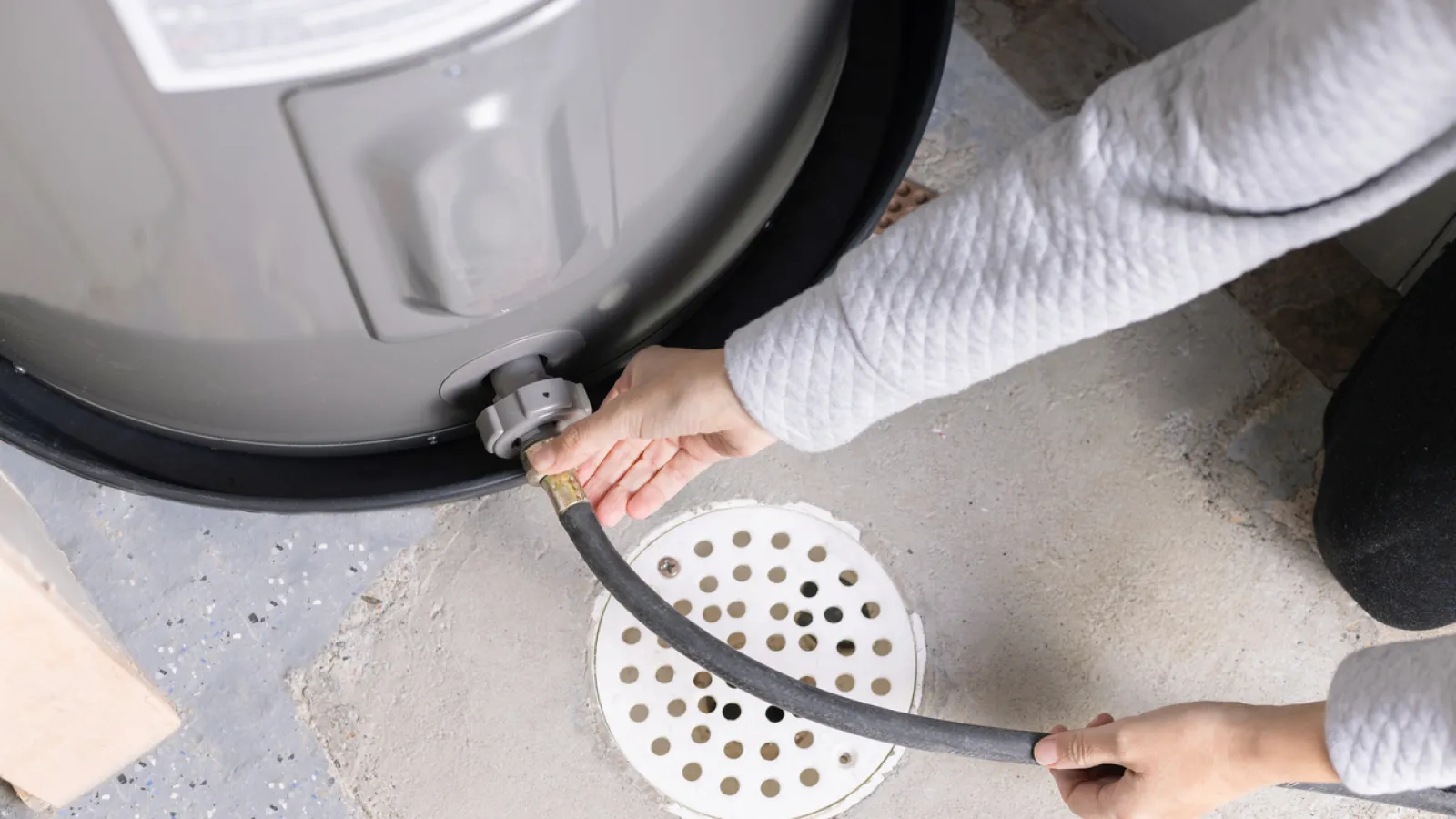
In Georgia and much of the Southeast, minerals in the water settle at the bottom of your tank as sediment. Over time, this buildup makes it harder for your heater to warm the water, so it has to work longer and uses more energy. This also wears out the tank lining faster. Flushing your tank once a year gets rid of the sediment and helps your heater work better. Snappy Services includes water heater flushes in our yearly maintenance plans, so you don't have to worry about missing this step.
· Inspect and Replace the Anode Rod
The anode rod helps protect your water heater by attracting corrosive minerals, so they damage the rod instead of the tank. After 3 to 5 years, the rod wears out and your tank can start to rust. Have a plumber check the anode rod during regular inspections and replace it before it's used up.
· Test the Temperature and Pressure (T&P) Relief Valve
The T&P valve is a key safety feature that lets out pressure if your tank gets too hot or builds up too much pressure. Test it once a year to make sure it works and isn't stuck. A broken T&P valve can be dangerous. If it leaks or doesn't snap back after you test it, replace it right away.
· Set the Temperature to 120°F
The Department of Energy recommends setting your water heater to 120°F. Higher temperatures make minerals build up faster and put more strain on the tank and its parts. Keeping it at 120°F also helps lower your energy bill, so you get two benefits at once.
· Insulate the Unit and Pipes
If your water heater is older and doesn't have built-in insulation, you can wrap it in an insulating blanket. It also helps to insulate the first few feet of both hot and cold water pipes. This cuts down on heat loss, so your heater doesn't have to work as hard to keep water hot. Less strain means your unit will last longer.
What are the Warning Signs It's Time to Replace Your Water Heater
Even with good maintenance, water heaters don't last forever. The warning signs are usually easy to spot if you know what to look for. If you notice any of these problems, call a professional before a small leak becomes a big issue.
· Rusty or discolored hot water.
If reddish-brown water comes from your hot tap, it's a strong sign that the inside of your tank is corroding. Once the tank lining fails, the only real fix is to replace the unit.
· Lukewarm or inconsistent water temperature.
If your water isn't as hot as before or the temperature changes suddenly, the heating elements or thermostat might be failing. Sometimes this can be fixed, but in older units, it often means the heater is nearing the end of its life.
· Rumbling, knocking, or popping sounds.
These noises usually mean sediment has hardened at the bottom of the tank. As water heats and bubbles through the buildup, it makes these sounds. A lot of sediment means your heater is working harder than it should.
· Visible rust or corrosion around the tank.
Rust on the outside of the tank, especially near fittings, the pressure relief valve, or the base, is a warning sign. Outside corrosion often means there are bigger problems inside the tank.
· Any leaking or pooling water.
Moisture around the base of your tank is never normal. Even a small drip can signal that the tank is cracking from the inside — and once that happens, a full failure is often imminent.
·
Age.
If your tank-style water heater is more than 10 years old,
it's a good idea to have a professional check it, even if it seems fine.
Replacing an old unit before it fails is much less stressful and expensive than
dealing with emergency water damage.
How Can Snappy Services Help Repair or Replace Your Water Heater?
At Snappy Electric, Plumbing, Heating & Air, our licensed plumbers have seen every stage of a water heater's life. Sometimes a unit just needs a flush and a new anode rod, while other times it might be quietly leaking behind a wall. We'll give you an honest assessment and upfront pricing, whether you need a simple water heater repair, a new traditional tank, or an upgrade to a more efficient tankless system.
We also offer yearly water heater maintenance through our Snappy Savings Club membership, so you're never surprised by problems. Members get priority scheduling, 10% off all repairs and installations, and peace of mind knowing a trained technician is looking after your home's important systems.
Don't risk a cold shower, water damage or emergency water heater
repair. Call or request
service online today. Let Snappy take care of your water heater issues
quickly and help keep your home safe.