

Water Heater Maintenance Helps Protect Your Home From Costly Disasters
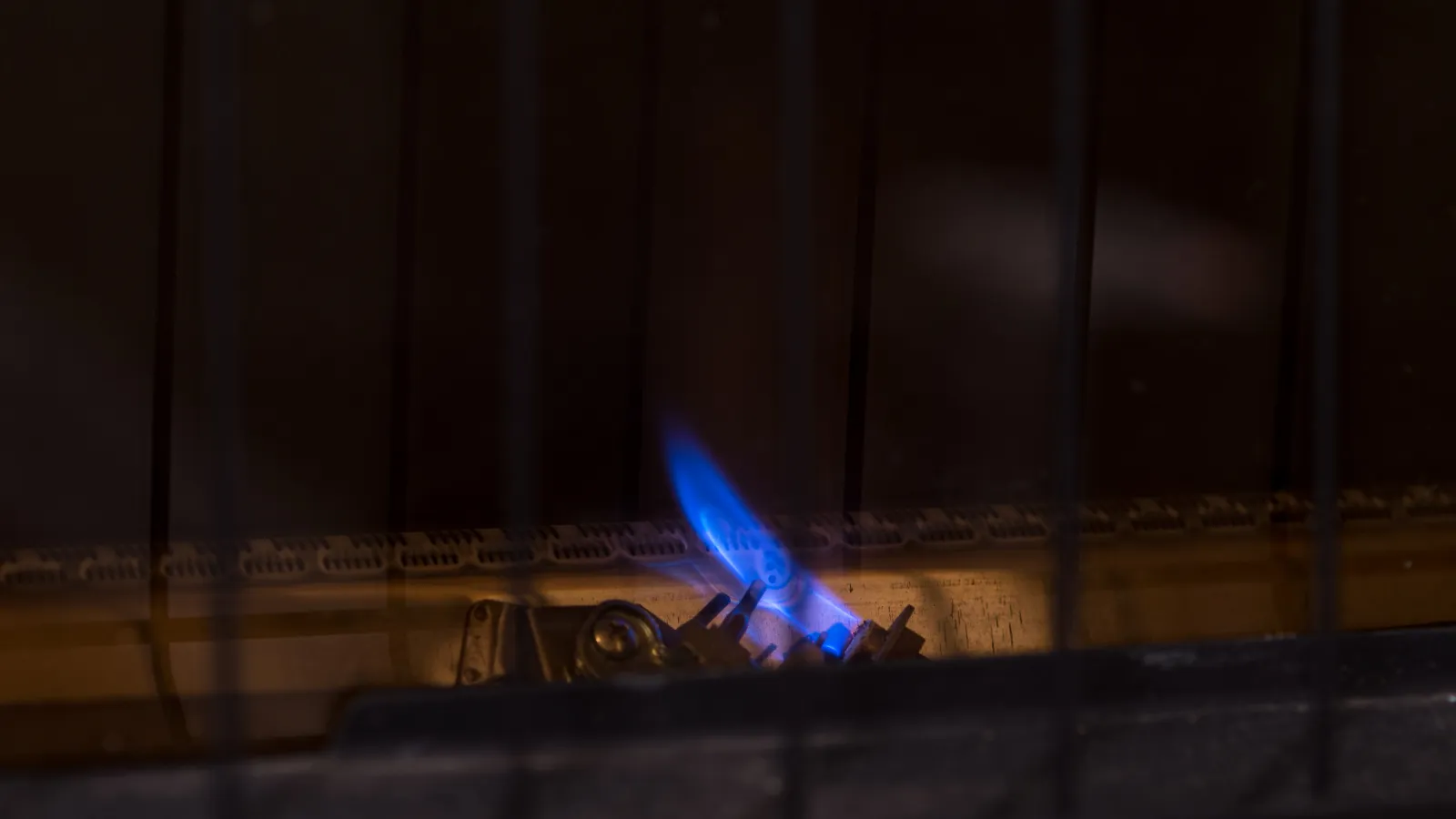
Did you know that water heater failures rank as one of the three most preventable sources of water damage in your home? Yes, according to the Georgia Insurance Information Service and Allstate Insurance Company, water heaters present a sizable risk. After all, the typical hot water heater contains 40-50 gallons of pressurized water and any rupture presents immense water damage. As a result, reduce your risk and apply basic water heater maintenance every year.
Fortunately, a proactive approach to annual maintenance drastically reduces your risk of a sudden crisis or emergency water heater issue. By understanding what routine service entails and keeping up with seasonal inspections, you can safeguard your home, extend your system's lifespan, and keep your hot water flowing reliably year-round.
What Preventative Maintenance on a Hot Water Heater Includes
Many homeowners wonder exactly what happens during a professional plumbing
tune-up. A comprehensive plan to protect your home includes annual hot water heater inspections that provide crucial safety checks, mechanical tests, and system flushes designed to keep your unit running at peak
efficiency.
Whether you have a traditional or tankless
water heater, complete preventative
maintenance on a water heater includes:
1. Flushing Sediment from the Tank
Metro Atlanta's water supply naturally contains minerals like calcium and
magnesium. As water is heated inside the tank, these minerals solidify and
settle at the bottom as heavy sediment (or scale).
Sediment acts as a thick insulating blanket between the heating element or
burner and the water above it. This makes your unit run much longer to heat the same amount of water, spiking your energy bills and wearing
out mechanical parts prematurely. In gas units, trapped sediment creates
hotspots that burn off the tank's internal glass lining, leading to rust and
tank rupture. In electric units, sediment buries the lower heating element,
causing it to overheat and short out.
Flushing the tank annually drains this abrasive sediment before it damages
your plumbing system or clogs faucet aerators.
2. Inspecting the Sacrificial Anode Rod
Did you know your water heater comes equipped with its own internal security
guard? The anode rod is a solid rod made of magnesium or aluminum that hangs
inside the tank. Its sole job is to attract rust and corrosive elements, so the
steel tank walls don't corrode.
Because the anode rod dissolves over time to protect the tank, you should inspect it during annual water heater maintenance. If more than 4 to 6 inches of
core wire are exposed or if the rod is heavily coated in calcium, replacing the
anode rod can extend the life of your water heater by 50% or more!
3. Testing the Temperature & Pressure (T&P) Relief Valve
The T&P relief valve is a critical safety feature located on the top or
side of your water heater tank. It automatically opens and discharges water if internal tank pressure or temperature reaches dangerous
levels.
If sediment or mineral buildup corrodes this valve, it can seize shut, which
creates a serious safety hazard. Professional preventive maintenance on a hot
water heater includes manually lifting the T&P lever to verify water flows
freely and shuts off completely when released.
4. Checking Thermostat Settings and Electrical/Gas Connections
Setting your thermostat to 120°F strikes the right balance between energy efficiency, preventing scalding, and slowing mineral scale buildup.
During a maintenance visit, technicians also inspect gas burner assemblies,
flue venting for carbon monoxide leaks, or electrical wiring terminal
connections for signs of scorching.
The Cost-Saving Benefits of Regular Tune-Ups
Investing in preventative maintenance on a hot water heater delivers
immediate, measurable returns for your household budget:
- Lower Monthly Energy Bills: A tank free of insulating sediment transfers heat directly to the water, cutting down run times and reducing gas or electric usage.
- Doubled Equipment Lifespan: Replacing worn anode rods and flushing scale can help extend a water heater's lifespan from a standard 8-to-12-year tank to 15 years or longer.
- Prevention of Sudden Catastrophes: Catching small pinhole leaks, failing valves, or tank corrosion early prevents disastrous indoor flooding.
- Consistently Hot Water: Clean heating elements and calibrated thermostats ensure fast recovery times so your family never gets stuck taking a cold shower.
DIY Maintenance Tips vs. Professional Water Heater Service
While proactive homeowners can handle basic checks, like visual leak
inspections, clearing space around the unit, or adjusting the thermostat
setting, a full system flush or anode rod replacement requires
specialized tools, caution around scalding water, and proper handling of gas or
high-voltage electric lines.
For total peace of mind, partner with a licensed plumbing
expert who can perform comprehensive diagnostics without risking damage to your
unit or warranty.
Protect Your Home with the Snappy Savings Club
At Snappy Electric, Plumbing, Heating, & Air, we see tens of thousands
of dollars in preventable water damage every year across Marietta, Roswell,
Atlanta, and surrounding
communities. We believe routine maintenance shouldn't be a hassle or an
exorbitant expense.
Through our Snappy Savings Club, annual water heater maintenance is
made effortless. As a member, you get:
- Whole-Home Safety Inspections: Comprehensive annual tune-ups for your plumbing, electrical, and HVAC systems.
- Priority Scheduling: Jump to the front of the line during emergency service calls.
- Exclusive Member Savings: Enjoy 10% off all repairs and installations.
- Lifetime Parts & Labor Warranty: Peace of mind knowing covered repairs are guaranteed for life!
Don't wait for a puddle under your tank to take action. Contact Snappy Services today to schedule your professional water heater inspection and protect your home from sudden plumbing failures!