

Why Sump Pumps Are the First Line of Defense Against Home Floods
Flooding is the most common and most costly natural disaster
in the United States, and its reach extends well beyond coastal areas and
designated flood zones. According to FEMA's National Flood Insurance Program,
floods caused more than $8 billion in damage to homes and businesses nationwide
in 2024 alone and nearly $3.8 billion of that occurred in communities not
considered high-risk. Flooding can happen anywhere.
The financial consequences for individual homeowners are
severe. According to Insurify, just one inch of water
entering a home can cause around $25,000 in damage and flood damage costs have
averaged $46 billion per year across the U.S. over the last decade.
Closer to home, the numbers are just as stark. Research compiled by iPropertyManagement shows
that 98 percent of basements in the U.S. will experience some form of water
damage, and roughly 14,000 people are affected by home water damage every
single day. Water damage and freezing ranks as the second most common cause of
home insurance claims nationally and the average insurance payout runs nearly
$14,000 per claim.
For homeowners in Marietta and across Cobb County, where
heavy spring and summer storms can dump several inches of rain in a matter of
hours, a reliable
sump pump system is not a luxury. It is one of the most cost-effective
investments you can make to protect your property.
Do You Know What a Sump Pump
Is?
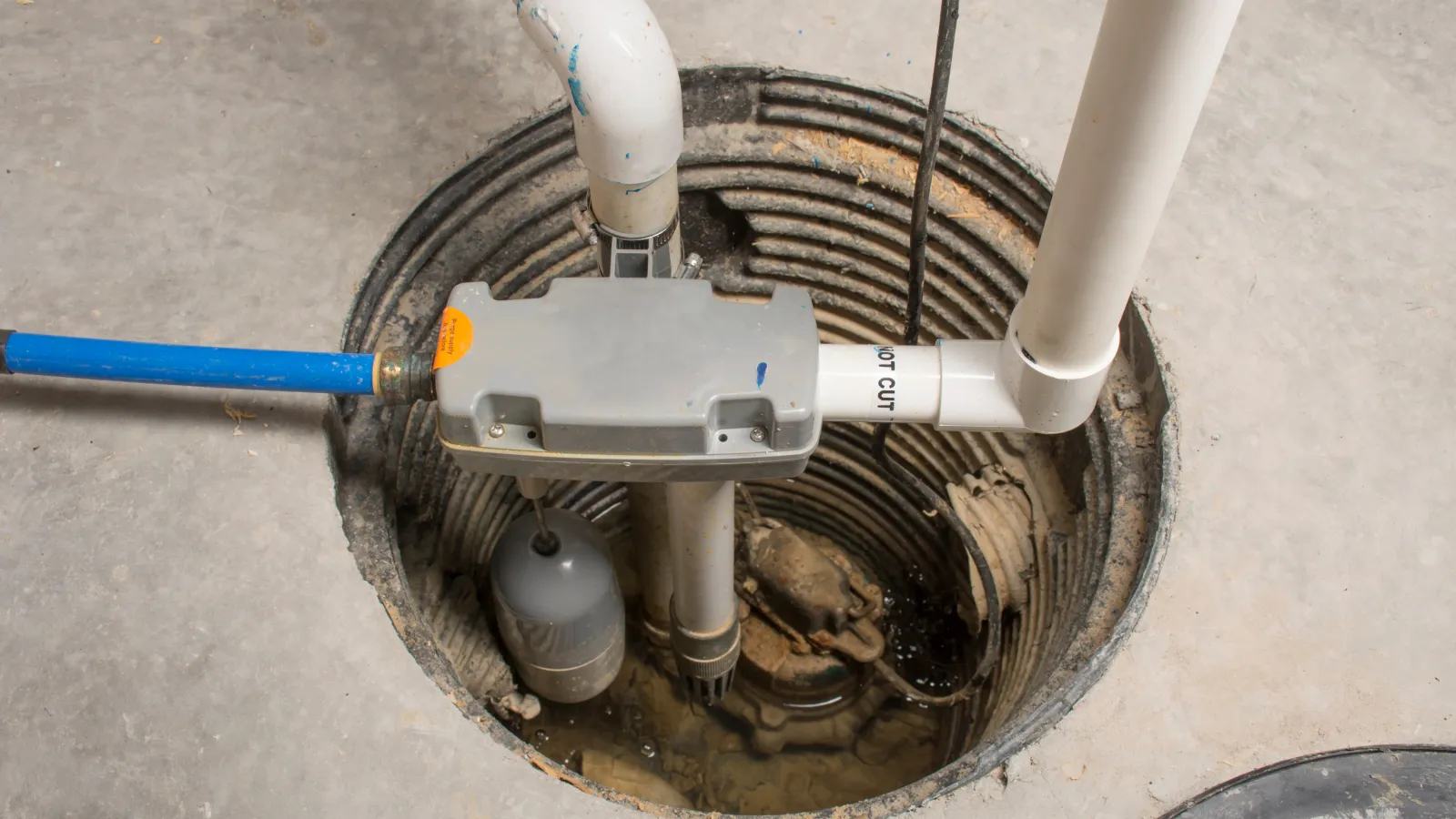
A sump pump is a water pump designed specifically for house
flooding protection and are one of the most efficient
and effective ways to remove unwanted water from a home. Sump pumps are
typically found in basements or other low points. They have a small pit or
basin called a sump, and their primary function is to pump out water that has
accumulated due to rain, groundwater, or other water sources entering the area.
How Do Sump Pumps Remove
Unwanted Water?
Sump pumps detect when water is
present and rising. The pumps contain a float that rises with the water and
when it reaches a set threshold, it completes an electrical circuit that
triggers the pump motor. The water is then pushed through the discharge line
and expelled outside, preventing it from reaching finished living areas or
damaging the foundation.
Before selecting a flood sump
pump, it helps to understand two key specifications listed on any unit's
reference chart:
•
Head: The vertical distance the water
must travel to be discharged. The greater the head, the harder the pump works
and the lower its effective flow rate.
•
Flow rate: Measured in gallons per minute
(GPM), this indicates how much water the pump can remove in a given timeframe.
A higher flow rate is critical in areas prone to rapid water accumulation
during heavy storms.
Matching these specs to your
home's actual needs, such as basement depth, soil drainage characteristics, and storm event frequency, is something Snappy's licensed plumbers
assess during a sump pump installation consultation.
Be sure to inspect the reference chart on the sump pump before
purchasing. This chart shows how much water the pump can displace by specifying head and flow. The higher the head, the lower
the flow because the pump must work harder to push the water a longer distance.
Homeowners should pay close attention to the head and flow of any sump pump
they are considering.
Types of Sump Pump Systems: Submersible, Pedestal, and Mini Sump Pumps
Submersible Sump Pumps
Submersible sump pumps are installed inside the sump basin
and operate fully underwater. Most professionals consider them the more
reliable option for primary flood protection because the motor is sealed
against moisture and the pump sits directly at the water source. They operate
more quietly than pedestal units since the basin walls muffle the sound, and
they take up no visible floor space. The tradeoff is upfront costs and
longevity, as the motor's constant exposure to water can shorten its lifespan
compared to pedestal models. Servicing a submersible pump also requires
removing it from the basin.
Pedestal Sump Pumps
A pedestal pump positions the motor above the sump basin on a
mounted stand, with only the intake at the bottom of the pit. This design keeps
the motor dry, extending its operating life and making it significantly easier
to access for inspection and repair. Pedestal pumps tend to cost less and last
longer, making them a practical choice for homeowners focused on long-term
value. The main drawback is noise because the motor is exposed rather than
submerged, pedestal pumps are considerably louder during operation.
Mini Sump Pumps
A mini sump pump sometimes called a submersible mini pump or
compact sump pump. Mini sump pumps serve a specific and valuable purpose for
homeowners dealing with lower-volume water intrusion. While a standard sump
pump is sized to handle the significant water accumulation that comes with sump
pump flooding events, a mini sump pump is better suited for situations where
water collects in tight or shallow spaces, such as window wells, crawl spaces
with limited clearance, or utility areas that see occasional minor moisture.
Mini sump pumps are also commonly used as backup systems in
conjunction with a primary unit that runs on battery power or water pressure to
provide continued protection when the main pump is overwhelmed or loses power
during a storm. For Marietta homeowners who have experienced repeated minor
flooding in low-clearance areas, a mini sump pump installation can be a
targeted, affordable solution that works alongside a full sump pump system
rather than replacing it.
Benefits of Installing Sump
Pumps
Homeowners should consider having a sump pump as essential
insurance against flooding and water damage. These
pumps ensure a home is protected when traditional barriers are overwhelmed.
There are many causes of flooding that vary from location to location. If the
house is in an area susceptible to excessive rainfall or large amounts of
snowmelt, the sump pump will remove water that gets past established defenses.
Some homeowners depend on the property's drainage to protect their
homes. However, if a significant amount of water comes in a short period, the
property's drainage may be overwhelmed. If this happens, having a sump pump in
place may prove invaluable. A homeowner should consider investing in a sump
pump if a home is in a damp area prone to moisture and mildew. If not
addressed, these conditions may lead to property damage, foundation issues,
and mold growth that will be
difficult to manage.
Why a Flood Sump Pump Is Essential for Greater Marietta Homes
Marietta's geography makes sump pump protection particularly
relevant. The rolling terrain across Cobb County means that runoff from higher
ground can accumulate quickly around home foundations, and the clay-heavy soil
common throughout the Atlanta metro retains water rather than absorbing it
efficiently. During the region's peak storm season (typically March through
September) multi-inch rainfall events are not unusual, and even homes that have
never flooded before can see water intrusion when drainage systems are
overwhelmed.
A properly installed sump pump system addresses several risks
simultaneously:
•
Foundation
protection: Hydrostatic pressure from
water-saturated soil around a foundation can cause cracking and structural
movement over time. A flood sump pump relieves that pressure by removing water
before it builds.
•
Mold and
mildew prevention: Persistent
moisture in basements and crawl spaces creates ideal conditions for mold
growth. Once established, mold remediation can cost thousands of dollars and
poses real health risks to occupants.
•
Protection of
mechanical systems: Water heaters,
HVAC equipment, electrical panels, and stored belongings located in lower-level
spaces are all vulnerable to sump pump flooding damage. A functioning sump pump
keeps those systems dry.
•
Insurance and
resale value: Many homeowners
insurance policies offer better terms, or supplemental water backup coverage, for
homes equipped with functional sump pump systems. A documented, professionally
installed system can also be a positive factor in a home sale.
For a
broader look at Snappy's plumbing protection services, visit our sump pump installation and repair page or
explore our full range of plumbing services in Marietta.
Why Choose Snappy to Protect
Your Home with a Professional Sump Pump System
Not every home needs the same sump pump solution, and the
right system depends on factors specific to your property like the depth and
size of your existing sump pit, the severity and frequency of water intrusion
you've experienced, whether you have a finished or unfinished basement, and how
your home sits relative to the surrounding grade and drainage.
When evaluating sump pump systems for Marietta homeowners,
licensed plumbers typically consider a layered approach:
•
Primary
submersible pump: A properly sized
submersible unit sized to handle peak storm events for your specific basement
or crawl space conditions.
•
Battery backup
unit: Power outages and sump pump
flooding events frequently occur together during severe storms. A battery
backup system ensures the pump continues operating even when the power goes out,
which is exactly when you need it most.
•
Water-powered
backup pump: An alternative to
battery backup that uses municipal water pressure to power a secondary pump. No
battery maintenance required, though it does use water during operation.
•
Mini sump pump
for secondary spaces: For homes with
window wells, utility crawl spaces, or other moisture-prone areas outside the
primary sump basin, a mini sump pump installed in those specific locations
provides targeted additional protection.
•
Alarm systems:
A sump pit alarm that alerts you when
water levels rise unexpectedly (either because the pump has failed or because
water is entering faster than the pump can discharge) gives you the critical
early warning to act before flooding causes damage.
Snappy Electric, Plumbing,
Heating, & Air is a locally-owned and operated company serving its
neighbors in Marietta, GA, and the surrounding areas. Whether you need a new sump pump installation, a repair or
replacement for an existing unit, or a consultation to determine the right
system for your home, our team is ready to help. Contact us or request
service online. And ask about the Snappy Savings Club for annual plumbing
maintenance, priority scheduling, and 10% off all repairs and installations.