

How to Prevent Common Plumbing Clogs Before Becoming Costly Problems
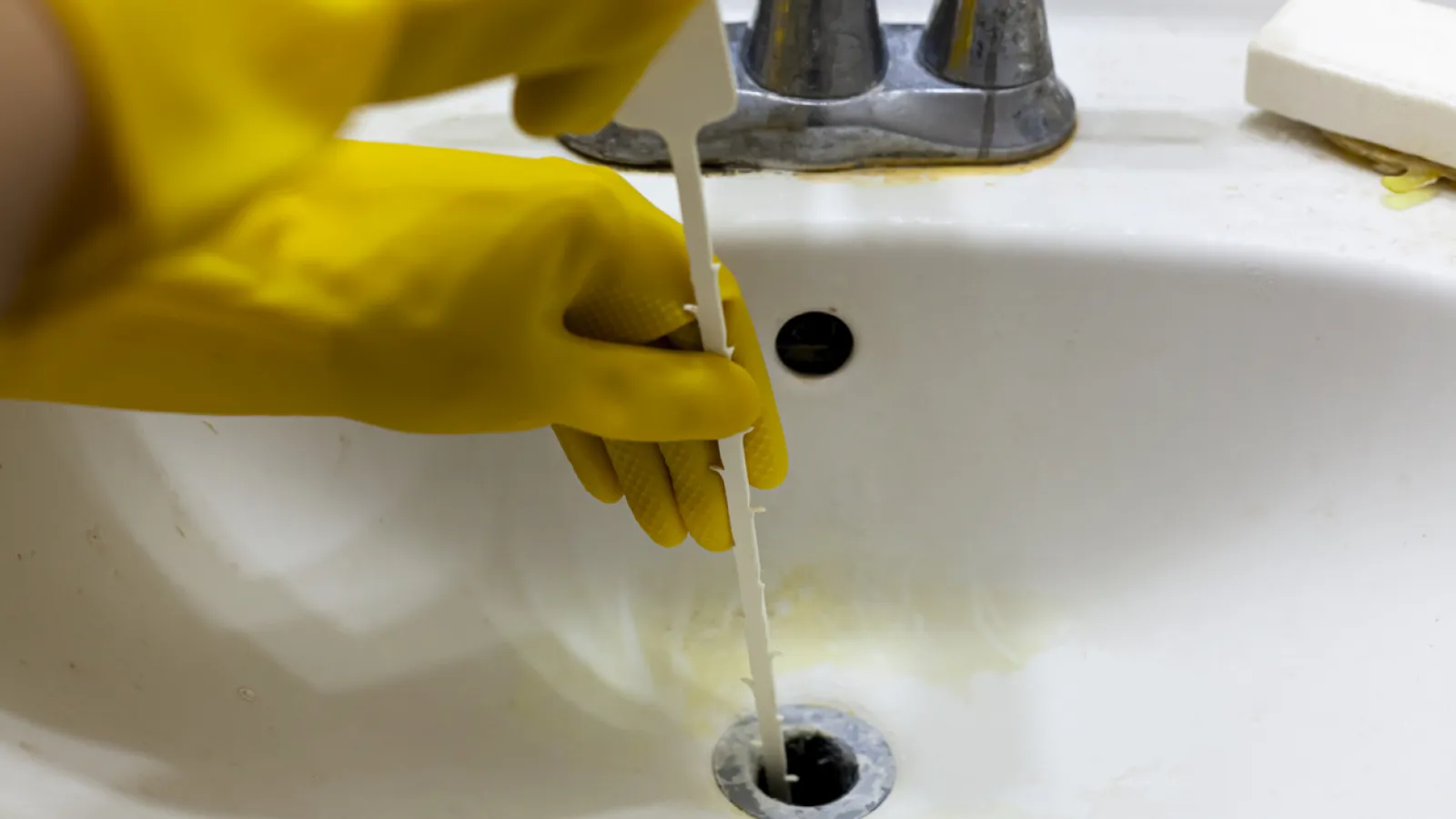
Clogs are the most common and preventable plumbing issue for homeowners. A slow drain or incomplete toilet flush may seem minor, but left unchecked, partial blockages can turn into major clogs, sewage backups, or water damage affecting your floors, walls, and cabinets.
Fortunately, most clogs build up gradually, not overnight. Understanding what causes them and how to stop them before they start is key to keeping your plumbing running smoothly year-round.
Our team at Snappy Electric, Plumbing, Heating & Air has
helped homeowners across Marietta
and the greater Atlanta area with everything from routine drain cleaning
to emergency clogged
toilet repair. For seasoned and novice homeowners alike, the following
shares what we've learned about the most common causes of plumbing clogs and
how to prevent them.
What Causes Most Common Plumbing Clogs?
Plumbing clogs rarely come from a single event. In most
cases, they're the result of gradual accumulation, with small amounts of
debris, grease, and buildup collecting in your pipes over weeks or months until
flow is restricted or stopped entirely. The culprits vary depending on where
the clog develops in your home.
Kitchen Sink Clogs
The kitchen sink is one of the most clog-prone fixtures in any home. The main offenders are grease, cooking oils, and food particles. Fats and oils that are liquid at high temperatures solidify as they cool in the pipe, sticking to the interior walls and trapping other debris over time. Coffee grounds, eggshells, and starchy foods like rice and pasta are also notorious for clogging drains.
Importantly to note, kitchens take a real beating during the
holidays, when heavier cooking and extra guests put significantly more strain
on your drains. If you're hosting during the holidays, help yourself and learn why
the holidays are a major clogged drain culprit, which covers the specific
foods and habits most likely to cause problems and how to avoid them.
Bathroom Drain Clogs
Hair is the main cause of shower and bathtub drain clogs. It
combines with soap scum and conditioner residue, forming sticky clumps that
reduce drainage. Bathroom sink drains often clog when toothpaste, soap, and
facial hair build up around the stopper.
Toilet Clogs
Toilets are made to handle human waste and toilet paper, and
not much else. Despite that, many toilet
clogs are caused by items that should never be flushed, including wet wipes
(even those labeled "flushable"), cotton balls, dental floss, paper
towels, and feminine hygiene products. These materials don't break down in
water the way toilet paper does, and they accumulate in the trap or drain line
until flow stops entirely.
How to Prevent Plumbing Clogs
Not all clogs are created equal, and the best prevention
strategy depends on knowing what your pipes are up against in each part of the
house. Kitchen drains, bathroom drains, and toilets each have their own common
culprits, and a few targeted habits in the right places can dramatically reduce
how often any of them give you trouble. Here's what to focus on, room by room.
Kitchen Sink Prevention
- Never pour grease or oil down the drain. Let
it cool and solidify, then scrape it into the trash. Even small amounts
add up over time.
- Use your garbage disposal wisely. Run cold
water for 15 to 20 seconds before and after use. Avoid fibrous foods like
celery, onion skins, and artichokes, which can tangle around blades and
cause backups.
- Keep a strainer in the drain. A mesh sink
strainer catches food particles before they enter the pipe. Empty it
regularly, after every meal prep if possible.
- Run hot water down the drain weekly. A slow,
steady stream of hot water for about a minute helps flush any early grease
buildup before it hardens into a clog.
Bathroom Drain Prevention
- Install a hair catcher in every shower and tub.
These inexpensive screens sit over the drain and catch hair before it
enters the pipe. Clean them after every shower for best results.
- Clean your bathroom sink stopper monthly. The
pop-up stopper in your bathroom sink is a magnet for hair, toothpaste, and
soap scum. Pull it out, clean off the buildup, and reinstall. Most pop
right out without any tools.
- Avoid bar soap in favor of liquid soap where
possible. Bar soap leaves behind more solid residue that binds with
hair and sticks to pipe walls. Liquid soap rinses more cleanly.
- Flush drains with baking soda and vinegar
occasionally. Pour half a cup of baking soda down the drain, followed
by half a cup of white vinegar. Let it sit for 15 minutes, then flush with
hot water. This is a gentle, chemical-free way to clear early buildup
rather than an existing clog, but a useful part of routine maintenance.
Toilet Clog Prevention
- Flush only waste and toilet paper. Enforcing
this rule, especially with young children, is important. Place a small
wastebasket next to every toilet for everything else.
- Skip the "flushable" wipes. Despite
the label, most wet wipes do not dissolve in water or in the drain system
the way toilet paper does. They're a leading cause of drain line blockages
and sewer backups.
- Upgrade older toilets. Many 1990s low-flow
models often require multiple flushes. Modern WaterSense-certified toilets
clear waste with a single, efficient flush, using 1.28 gallons or less. If
your toilet often needs a second flush, consider upgrading.
These quick tips will help understand how common plumbing
clogs start. For more, we've also put together a practical overview of everyday
habits that help you avoid a clogged toilet or drain, covering additional
scenarios and tips that complement the prevention steps above.
Warning Signs of a Developing Clog
Catching a clog early, before it becomes a complete
blockage, can mean the difference between a simple fix and a plumber visit.
Here are the warning signs to watch for:
- Slow draining. If water pools in your sink,
shower, or tub and drains more slowly than usual, partial blockage has
likely already begun. Don't wait for it to stop draining entirely.
- Gurgling sounds. A bubbling or gurgling noise
from a drain, especially after running water elsewhere in the house,
indicates that air is being trapped in the line. This is often a sign of a
developing blockage or a venting issue in the drain system.
- Water is backing up in multiple fixtures. If you
flush the toilet and water rises in the shower, or running the dishwasher
causes the kitchen sink to back up, the blockage is likely deeper in the
main drain line rather than in a single fixture.
- Recurring clogs in the same drain. A drain
that clogs repeatedly even after being cleared suggests the underlying
cause hasn't been resolved or that a more significant issue lies further
down the line, such as a pipe narrowed by mineral buildup or root
intrusion.
- Unpleasant odors from drains. Foul smells
coming up through a drain often indicate organic material decomposing
inside the pipe. It's an early warning that buildup is present before a
full clog develops.
When to Call a Professional Plumber
Some clogs respond to a plunger or a drain snake. Others
don't, and trying to force a stubborn blockage without the right tools or
knowledge can damage pipes, push the clog deeper, or mask a more serious
underlying issue. Here's when it's time to stop DIY-ing and call a licensed
plumber:
- The clog doesn't clear with basic tools. If a
plunger and a store-bought drain snake haven't resolved the blockage after
a reasonable attempt, the clog is likely too deep, too dense, or too far
into the line to reach from the fixture.
- Multiple drains are slow or backed up. This
points to a main sewer line issue, something no amount of DIY drain
treatment will solve. A plumber can use a camera inspection to locate the
blockage and clear it properly.
- You've noticed sewage odors inside the home.
This can indicate a blocked sewer vent or a partial sewage backup. Both
require professional diagnosis.
- Water is backing up out of a drain. If water
is coming up out of a floor drain, a tub drain, or a cleanout, you have a
main line backup. This is a plumbing emergency that should be treated as
one.
- You have an older home with frequent clogs.
Older homes in the Marietta area may have cast-iron or clay sewer lines
that have partially collapsed or become heavily infiltrated by tree roots.
Repeated clogs in these homes often indicate a pipe problem rather than a
habit issue, and a camera inspection is the only way to confirm.
Snappy's drain cleaning
services include professional hydro jetting, drain camera inspections, and
full plumbing diagnostics
to get to the root cause rather than just clear the symptom.
Stop Clogs Before They Start
A few simple habits, a drain screen here, a grease disposal change there, can eliminate many common household plumbing clogs before they ever form. But when prevention isn't enough, or when a clog has already taken hold, having a trusted licensed plumber on call makes all the difference.
Whether you need a clogged toilet repair, full plumbing inspection, or anything else, Snappy Electric, Plumbing, Heating & Air is ready to help. We're available 24/7 for emergency plumbing calls across Marietta, Woodstock, Dunwoody, and the greater Atlanta area. Contact us today or request service online and ask about the Snappy Savings Club for annual plumbing maintenance, priority scheduling, and 10% off all repairs.